Science
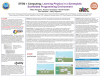
Learning Physics in a Synergistic Scaffolded Programming Environment
Using Collective Argumentation to Develop Teaching Practices Integrating Coding Within the Science and Math Curriculum
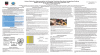
Research on the Utility of Abstraction as a Guiding Principle for Learning about the Nature of Models in Science Education
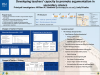
Fostering Pedagogical Argumentation: Pedagogical Reasoning With and About Student Science Ideas
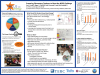
Focus on Energy: Preparing Elementary Teachers to Meet the NGSS Challenge
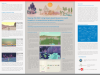
Science in the LearningGardens: A study of motivation, achievement, and science identity in low-income middle schools
Science in the Learning Gardens (henceforth, SciLG) program was designed to address two well-documented, inter-related educational problems: under-representation in science of students from racial and ethnic minority groups and inadequacies of curriculum and pedagogy to address their cultural and motivational needs. Funded by the National Science Foundation, SciLG is a partnership between Portland Public Schools and Portland State University.
This study reports results from 113 students and three science teachers from two low-income urban middle schools participating in SciLG. It highlights the role of students’ views of themselves as competent, related, and autonomous in the garden, as well as their engagement and re-engagement in the garden, as potential pathways by which garden-based science activities can shape science motivation, learning, and academic identity in science.
2018 American Chemical Society National Meeting and Exposition; New Orleans, LA
To learn more, visit https://www.acs.org/content/acs/en/meetings/national-meeting.html.
DRK-12 Presenters:
- Ellen Yezierski, Dillon Frank, Nicholas Spurgus, and Justin Pratt, Miami University (Project: Further Development and Testing of the Target Inquiry Model for Middle and High School Science Teacher Professional Development (Collaborative Research: Yezierski))
Writing a Scientific Explanation
American Museum of Natural History. (2018). Writing a Scientific Explanation. Retrieved from https://www.amnh.org/explore/curriculum-collections/integrating-literac….
This resource provides access to a classroom video of a lesson from the project's middle school ecosystems unit, and the related student scaffold and scoring rubric.
Disruptions in Ecosystems
Disruptions in Ecosystems is a middle school curriculum unit with supporting teacher materials. The unit includes five chapters, each focused on a specific phenomenon related to ecosystem disruption, including questions around the reintroduction of wolves into Yellowstone and the invasion of zebra mussels in the Great Lakes and Hudson River.